Michelle Kraus thanked hosts, helpers and participants at our Fall Social at Phil and Claudine Solseng’s home.
Michelle also asked for help at the Sgt. at Arms desk for the next 3 months.
Michelle has provided the Volunteer List for the Music Fest on Saturday Oct. 7. Scroll to the bottom of this newsletter, and call Michelle if you can add your name!
FINEMASTER - Michelle Kraus
Michelle Kraus levied fines for those who had not yet signed up to help at the Music Fest.
ROTARY EXCHANGE STUDENT - Viola Bavastro
Viola has been attending Dance Team practice every weekday, so it’s fortunate she is finding the school’s academic tests as being easier than in Milan. The Dance Team performs at half-time at football games and will start inter-school competition in October. Her courses include Math, English, Psychology, Investing, Photography and US Government. She has studied English for 8 years but admits that she learned more from watching Netflix.
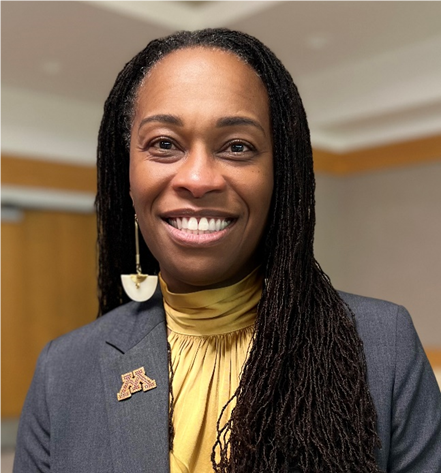
PRESENTATION: Dr. Nisha Botchwey, Humphrey School of Public Affairs
Nate Bostrom introduced Dr. Botchwey as an influential leader in the areas of regional planning, public health, community design, social justice, health policy and urban planning. She is currently the Dean of the Hubert H. Humprey School of Public Affairs at the University of Minnesota and has held positions at Georgia Tech, Emory University and University of Virginia. Bryan Bradford, the UMN Assistant Director of Alumni Relations also attended our meeting, and is a friend of Nate Bostrom.
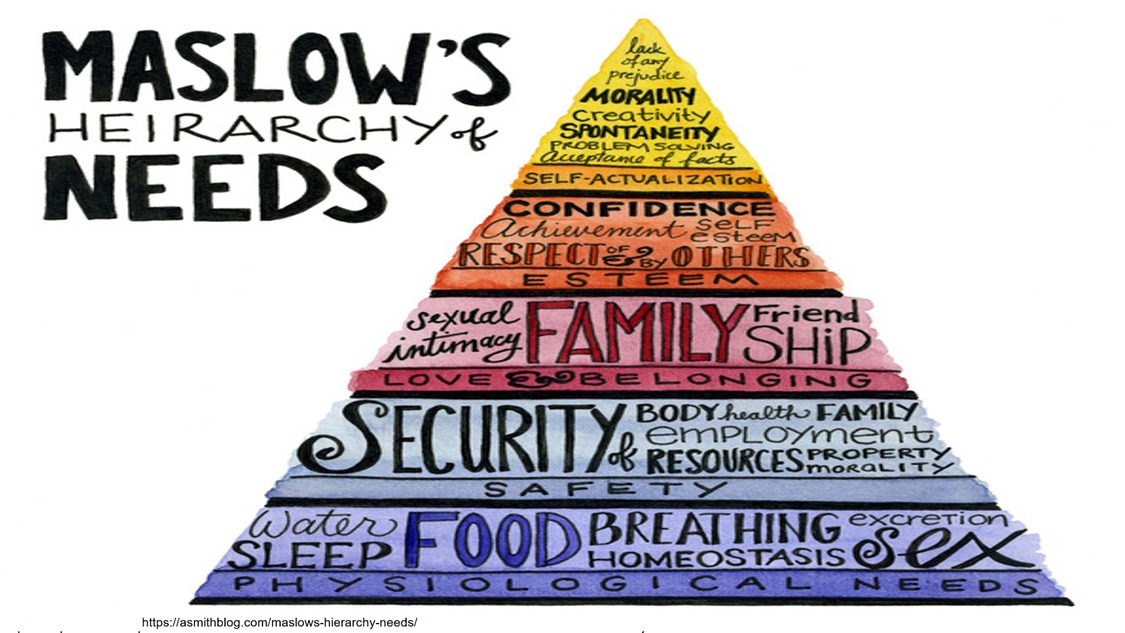
Dr. Botchwey grew up in Jamaica and learned of Rotary from her uncle. While in Jamaica, she studied marine ecosystems and the effect of coastal cities on coral reefs. This formed the basis for her regard for the importance of balance in maintaining healthy places that support healthy people. She defined Health as a “state of complete physical, mental and social well-being and not merely the absence of disease or infirmity.” Taking many of us back to our days of psychology or sociology, Dr. Botchwey focused on Maslow’s Hierarchy of Needs pyramid and reminded us that without attending to physiological needs and basic needs for safety and security, all other fulfillment is difficult if not impossible.
Nisha provided data that illustrated the effect of environmental factors and locations on health indicators, and concluded that “A city is only as healthy as its least healthy neighborhood.” She referred to the AARP Livability Index as a measure incorporating the many factors affecting health. (Link) Dr. Botchwey concluded with a discussion about the need for engaging youth and preparing them to incorporate healthy decisions in their future and their eventual leadership in our communities.
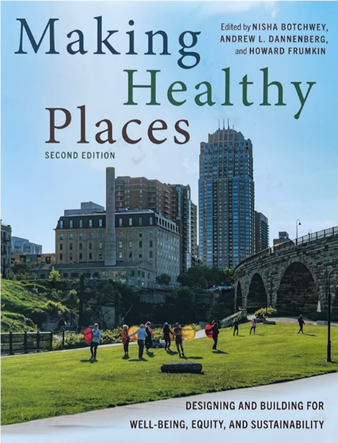
Copies of Dr. Botchwey’s book ”Making Healthy Places” were available.
It can be obtained through Island Press Books. Link.
Note from John Roebke: Invocations can be a faith traditional prayer, or a meditation, or inspirational verse or quote. Brief 20 – 30 seconds. Light-hearted is okay. Option: focus on our Mission of Service Above Self. Need an idea – Google Rotary Invocations. Not a personal talent? Don't wait, tell me NOW, 612-790-7067, john.roebke@live.com. I will be glad to name another. If I forgot that you told me not a talent, please forgive me. Remind me. If not a good DATE, trade with a mate.